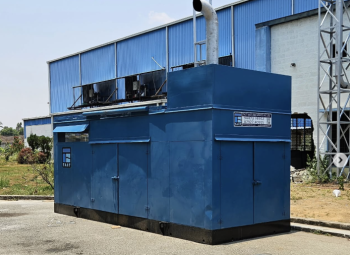



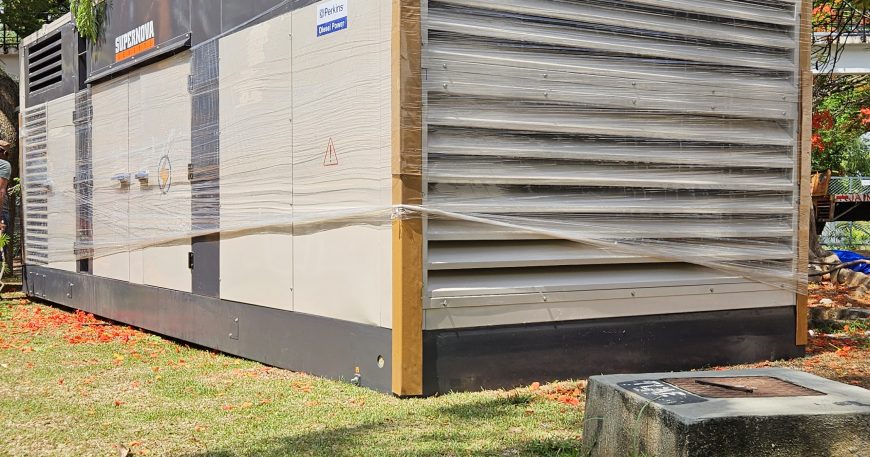
Power interruptions continue to affect manufacturing units, IT parks, hospitals, warehouses, and commercial facilities across Bangalore. A properly installed DG (Diesel Generator) set is critical for maintaining operational continuity, protecting equipment, and avoiding costly downtime.
However, many generator issues begin not with the machine itself — but with improper installation.
This checklist covers the key points Bangalore industries should verify before commissioning a DG set.
1. Calculate the Correct Power Requirement
Before selecting a generator, industries must evaluate:
- Total connected load
- Starting current requirements
- Future expansion plans
- Critical vs non-critical loads
- Peak operating demand
Undersized generators can cause:
- voltage drops
- overheating
- shutdowns
- reduced generator lifespan
Oversized generators may lead to:
- poor fuel efficiency
- wet stacking
- unnecessary operating costs
Proper load analysis is the foundation of reliable DG operation.
2. Choose the Right Installation Location
In Bangalore industrial environments, installation location directly affects:
- cooling efficiency
- maintenance access
- noise control
- safety compliance
The generator should be installed:
- on a stable RCC foundation
- away from water stagnation
- with proper airflow clearance
- in an accessible maintenance area
For outdoor installations, weather protection is essential during monsoon seasons.
3. Ensure Proper Ventilation
DG sets generate substantial heat during operation.
Poor ventilation can result in:
- overheating
- reduced performance
- higher fuel consumption
- engine damage
Industrial generator rooms should include:
- fresh air intake
- hot air exhaust systems
- adequate spacing around the DG set
- unobstructed radiator airflow
Ventilation becomes even more important in Bangalore’s high-density industrial zones.
4. Verify Fuel Storage and Fuel Line Design
Fuel systems must comply with safety standards and operational requirements.
Checklist:
- proper diesel storage capacity
- leak-proof fuel lines
- fuel filtration systems
- easy access for refueling
- spill containment measures
Contaminated diesel is one of the most common causes of DG failure in industrial facilities.
5. Check Exhaust System Installation
Improper exhaust systems can create:
- excessive back pressure
- high temperatures
- dangerous emissions
- noise issues
The exhaust system should include:
- insulated piping
- proper routing
- rain protection
- vibration isolation
- compliant emission controls
Exhaust outlets should be positioned away from occupied workspaces.
6. Install Proper Earthing and Electrical Protection
Electrical safety is critical during DG installation.
Essential protections include:
- equipment earthing
- neutral earthing
- circuit breakers
- overload protection
- short-circuit protection
- surge protection
Poor earthing can damage:
- industrial equipment
- PLC systems
- sensitive electronics
7. Use an Automatic Transfer Switch (ATS)
An ATS allows automatic switching between:
- utility power
- generator backup power
This is especially important for:
- hospitals
- data centers
- manufacturing lines
- commercial buildings
Automatic changeover systems reduce downtime during sudden power outages.
8. Conduct Load Testing Before Commissioning
Before handing over the installation, perform:
- load bank testing
- voltage stability checks
- frequency testing
- safety inspections
- fuel consumption analysis
Testing ensures the DG set performs correctly under real operating conditions.
9. Follow Karnataka Pollution and Compliance Regulations
Industries in Bangalore must comply with emission and operational guidelines issued by the Karnataka authorities. Proper compliance helps avoid penalties, operational delays, and environmental issues.
Businesses operating DG sets should stay updated with:
- emission standards
- noise regulations
- fuel storage norms
- electrical safety guidelines
For official compliance information, industries can refer to the:
Karnataka State Pollution Control Board
Companies should also follow national environmental and emission standards issued by the:
Central Pollution Control Board
10. Plan Preventive Maintenance Early
A generator installation should always include a preventive maintenance strategy from day one. Regular servicing improves reliability, reduces breakdown risk, and increases equipment lifespan.
A proper DG maintenance schedule includes:
- battery inspections
- coolant checks
- fuel quality monitoring
- periodic load testing
- electrical inspections
Industries looking for long-term operational reliability should also consider professional Annual Maintenance Contracts (AMC) for diesel generators.
You can also read our guide on:
- DG maintenance best practices
- industrial generator servicing
- generator fuel efficiency optimization
Final Thoughts
A DG set is a long-term infrastructure investment for industrial facilities, commercial buildings, hospitals, and manufacturing plants. Proper installation improves:
- operational reliability
- fuel efficiency
- equipment lifespan
- workplace safety
For Bangalore industries facing increasing power reliability challenges, professional DG installation and preventive maintenance are essential for uninterrupted operations.
Need professional support for DG installation, servicing, or AMC solutions?
Visit: TACT Engineers