


Diesel generators (DG sets) play a critical role in providing backup power for industries, commercial buildings, hospitals, construction sites, and IT facilities across Karnataka. However, because DG sets produce emissions and noise pollution, their installation and operation are regulated by environmental authorities.
Businesses using industrial generators in Karnataka must comply with pollution control norms issued by the Central Pollution Control Board (CPCB) and the Karnataka State Pollution Control Board (KSPCB).
Understanding these regulations is important for avoiding penalties, ensuring operational compliance, and maintaining environmentally responsible industrial practices.
Why Diesel Generators Are Regulated
Diesel generators emit:
- Nitrogen oxides (NOx)
- Particulate matter (PM)
- Carbon monoxide (CO)
- Hydrocarbons
- Noise pollution
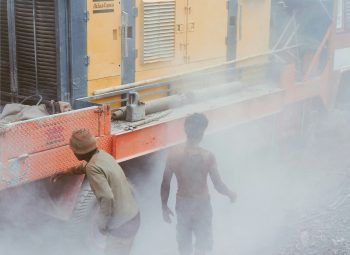
In densely populated industrial and urban regions such as Bangalore, uncontrolled DG set usage can contribute significantly to air and noise pollution. As a result, pollution control authorities have introduced stricter compliance requirements for generator installations.
Main Authorities Regulating DG Sets in Karnataka
Central Pollution Control Board (CPCB)
The CPCB establishes national emission and noise standards for diesel generators across India.
Karnataka State Pollution Control Board (KSPCB)
The KSPCB monitors local implementation, approvals, compliance, and environmental enforcement within Karnataka.
CPCB Emission Norms for Diesel Generators
Modern diesel generators must comply with CPCB emission standards designed to reduce harmful exhaust emissions.
These regulations generally apply to:
- Industrial DG sets
- Commercial backup generators
- Construction-site generators
- Rental generators
Manufacturers are required to produce CPCB-compliant generators that meet prescribed emission limits.
Businesses should always verify that new generators are CPCB-certified before installation.
Acoustic Enclosure Requirements
Noise pollution is one of the most important regulatory concerns for DG sets.
Most industrial generators must be installed with:
- Acoustic enclosures
- Soundproof canopies
- Proper exhaust silencers
These systems help reduce operational noise to permissible limits specified by pollution control authorities.
Noise control becomes especially important in:
- Commercial areas
- Residential zones
- Hospitals
- IT parks
- Urban industrial facilities
Stack Height Requirements
DG sets must maintain proper exhaust stack height to ensure safe dispersion of emissions.
The required chimney or exhaust stack height depends on:
- Generator capacity
- Building height
- Installation location
Improper exhaust systems can lead to local pollution buildup and regulatory violations.
Consent Requirements from KSPCB
Many industrial and commercial operations using DG sets may require:
- Consent to Establish (CTE)
- Consent to Operate (CTO)
from the Karnataka State Pollution Control Board.
Requirements vary depending on:
- Industry category
- Generator size
- Operational scale
- Project type
Industries operating without required approvals may face penalties or compliance notices.
Diesel Generator Rules for Industries in Bangalore
Because Bangalore has dense commercial and industrial activity, environmental compliance enforcement is often stricter in many areas.
Industries commonly using DG sets include:
- Manufacturing plants
- Data centers
- Construction projects
- Commercial complexes
- Hospitals
- Warehouses
- IT parks
Businesses are increasingly adopting:
- Fuel-efficient generators
- Low-emission systems
- Noise-controlled DG sets
- Preventive maintenance programs
to improve compliance and reduce environmental impact.
Importance of Generator Maintenance for Compliance
Poorly maintained generators may produce:
- Excess smoke
- Higher fuel consumption
- Increased emissions
- Excessive noise
Regular maintenance helps:
- Improve fuel efficiency
- Reduce pollution
- Maintain compliance
- Extend equipment lifespan
Routine inspections should include:
- Fuel system checks
- Exhaust inspection
- Air filter replacement
- Engine tuning
- Noise control verification
Penalties for Non-Compliance
Failure to comply with pollution norms may result in:
- Regulatory notices
- Operational restrictions
- Financial penalties
- Environmental violations
- Delays in approvals
Businesses should ensure all generator installations meet applicable environmental and safety requirements.
How Businesses Can Reduce DG Set Pollution
Industries can minimize environmental impact by:
- Using modern CPCB-compliant generators
- Installing proper acoustic enclosures
- Performing regular maintenance
- Optimizing generator load usage
- Using quality fuel
- Monitoring emissions periodically
These practices not only improve compliance but also enhance operational efficiency.
Final Thoughts
Diesel generators remain essential for industrial and commercial backup power across Karnataka. However, environmental regulations surrounding emissions and noise control are becoming increasingly important.
Businesses must ensure their DG sets comply with CPCB and KSPCB norms to avoid operational risks and maintain sustainable industrial practices.
Choosing reliable, properly maintained, and compliant generator systems helps industries achieve uninterrupted power supply while meeting environmental responsibilities.
For industrial generator solutions, DG set rentals, and backup power systems in Bangalore, visit TACT Engineers.